
1. Overview
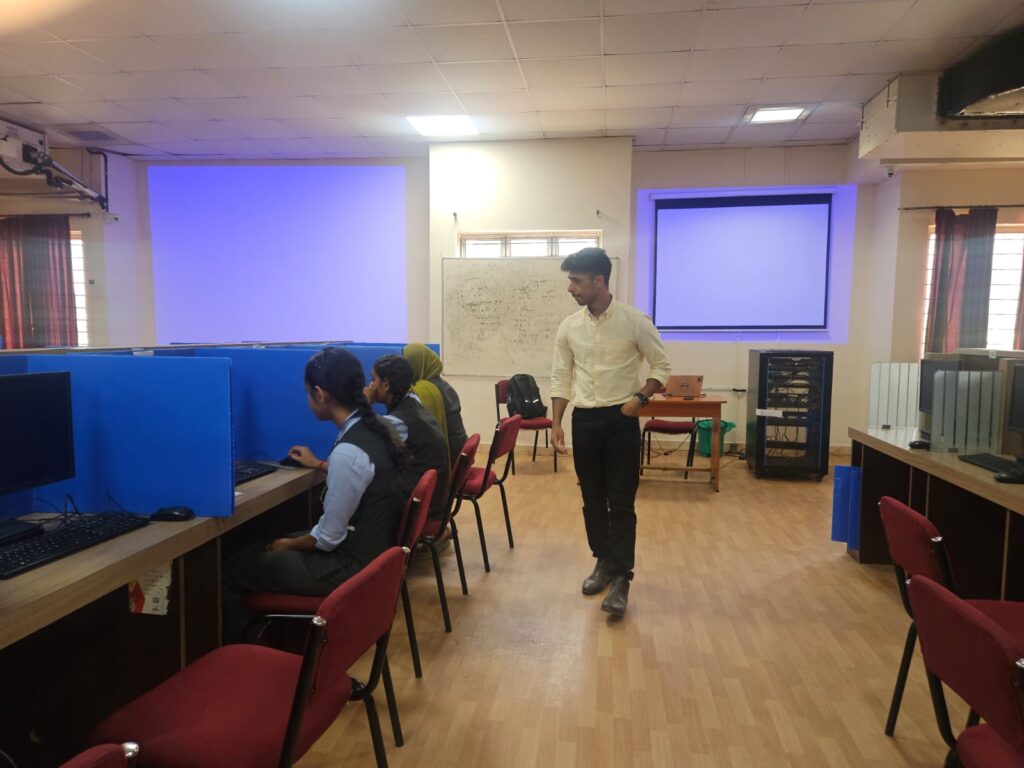
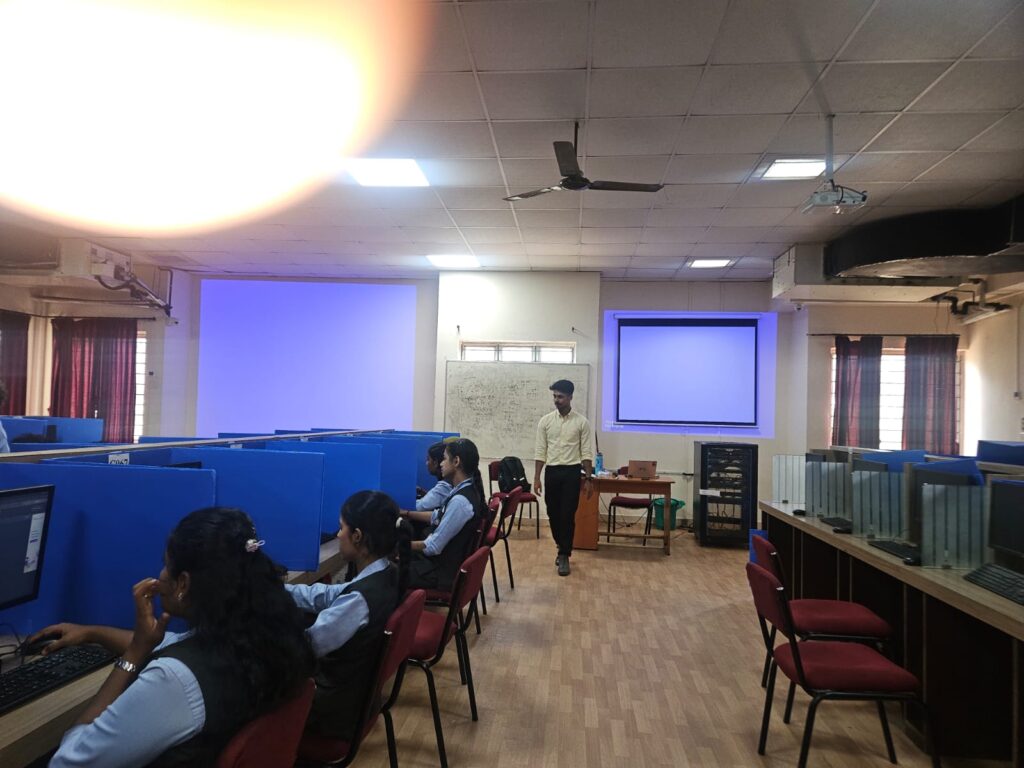
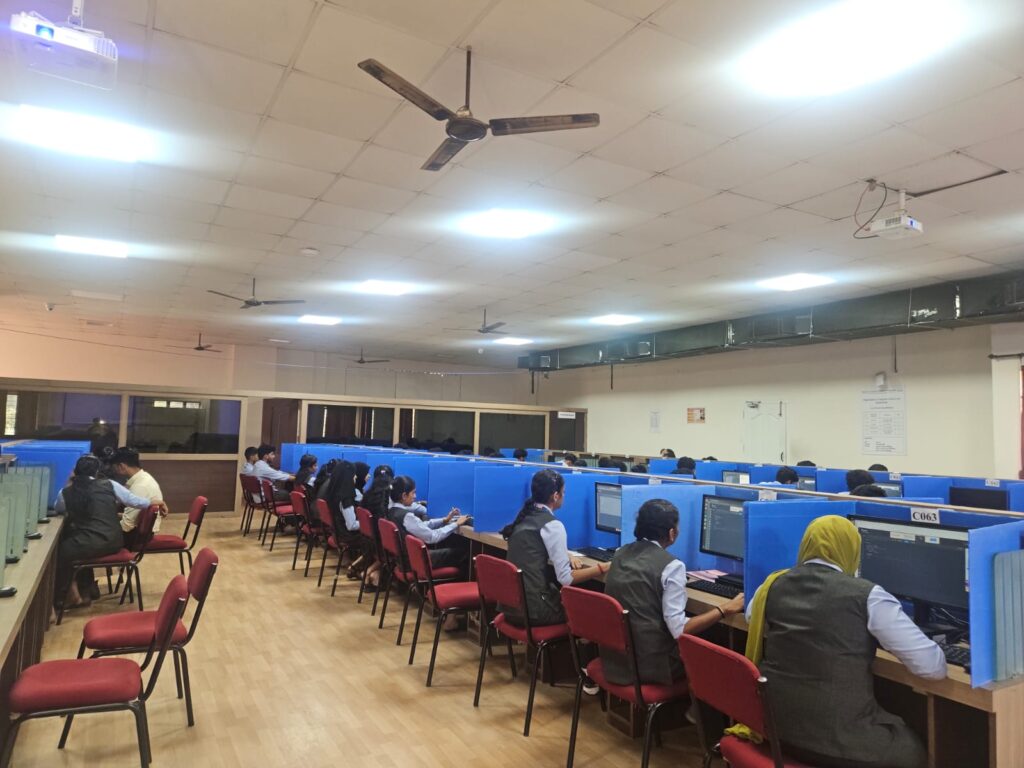
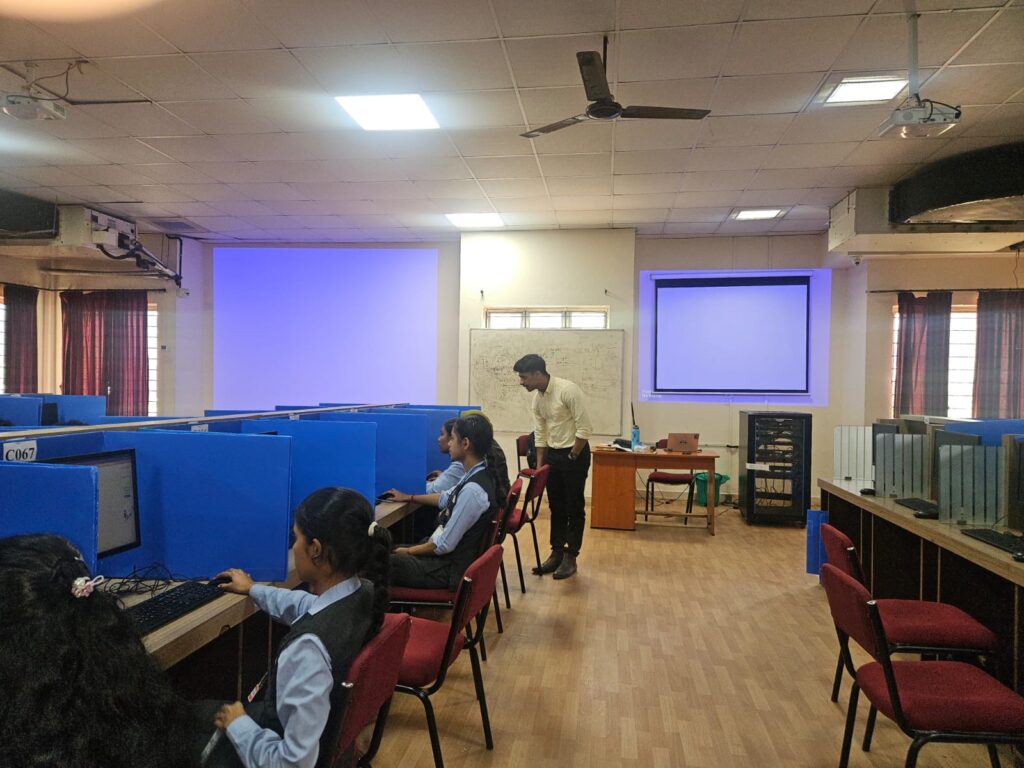
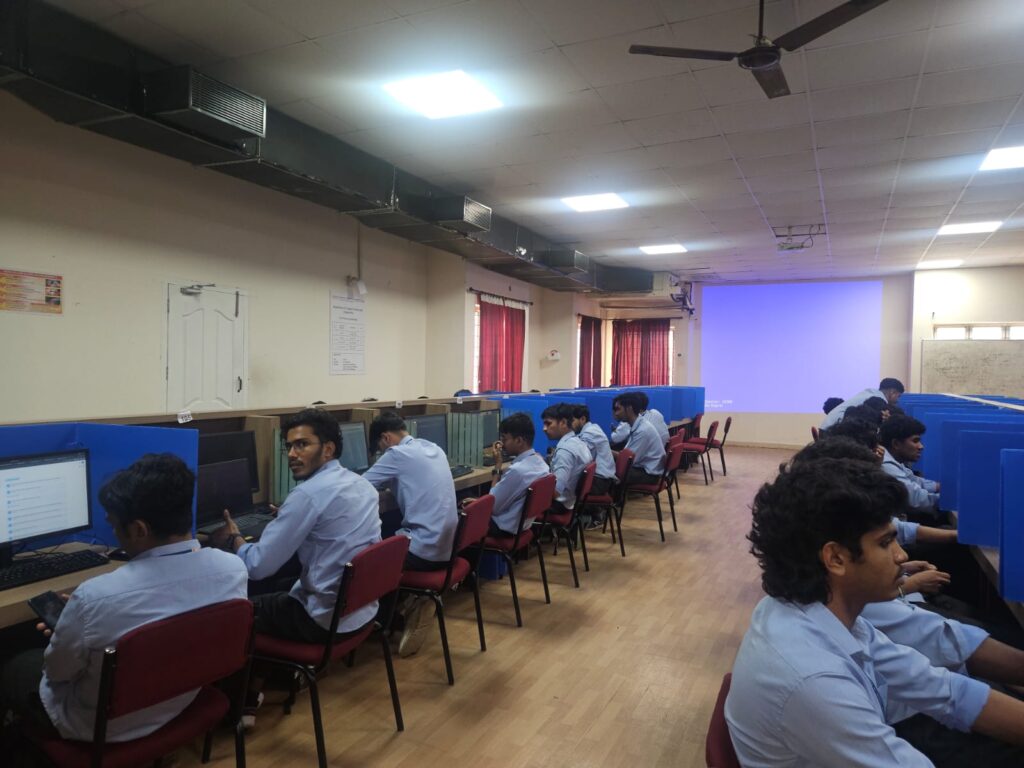
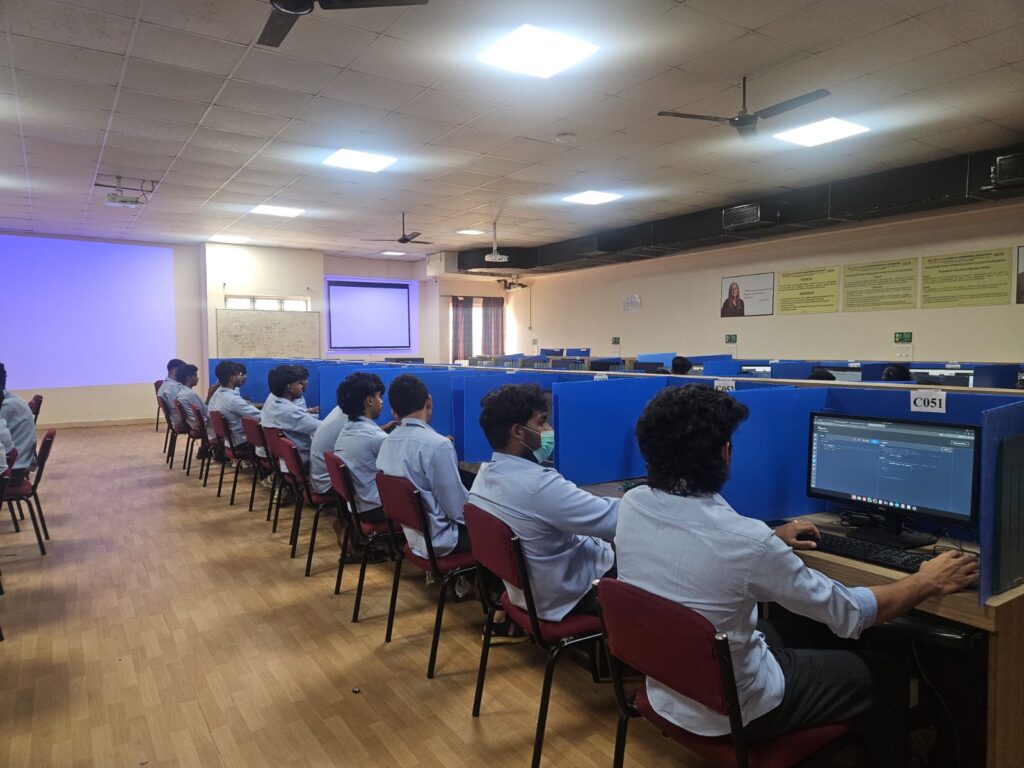
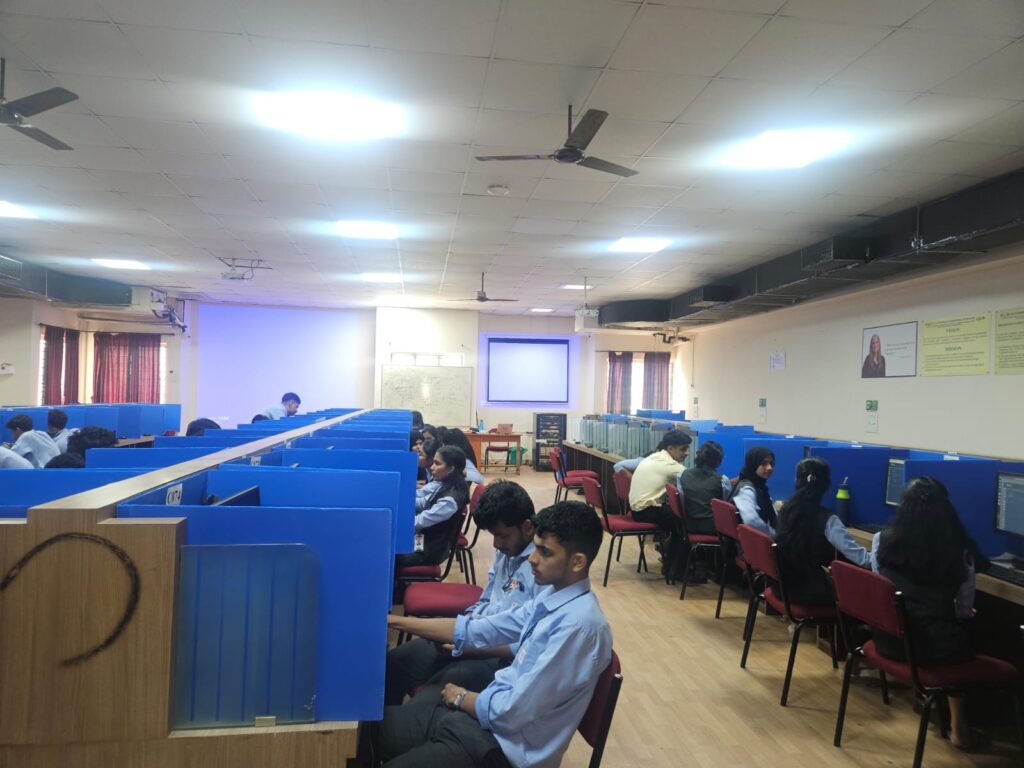
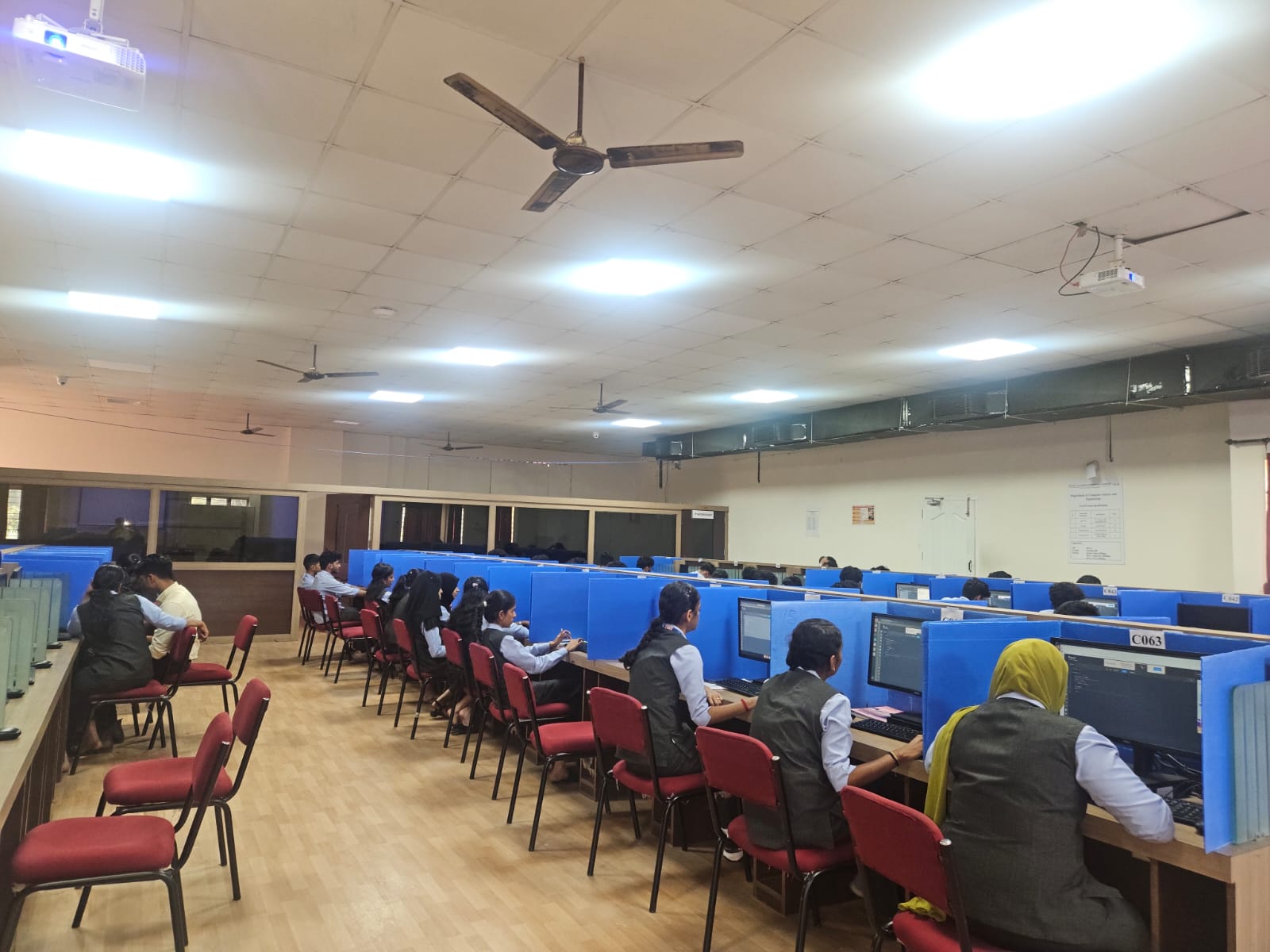
A five-day Technical Training Program was conducted for the ECE and AIML batches with the objective of strengthening students’ technical foundations, analytical thinking, and industry-oriented skill development. The program was designed to bridge the gap between academic curriculum and real-world technological applications, ensuring students gain hands-on exposure aligned with current industry demands.
The training was conducted from 27th to 30th of January 2026 and 9th and 10th of February 2026
While the structure of the training was inspired by the C Programming program conducted for CSED, the content was customized to suit the core competencies and future career paths of ECE and AIML students.
2. Focus Areas of Training
For ECE Students
- Fundamentals of Embedded C and microcontroller programming
- Basics of electronics system design and interfacing concepts
- Introduction to IoT concepts and real-time applications
- Problem-solving techniques for hardware-software integration
- Exposure to industry-relevant tools and simulation platforms
For AIML Students
- Strengthening programming foundations using Python
- Logical thinking and algorithmic problem-solving
- Introduction to Data Structures and Algorithms
- Basics of Machine Learning concepts and real-world use cases
- Awareness of AI development tools and coding platforms
3. Key Activities and Exposure
- Problem-solving oriented sessions with beginner to intermediate level programs
- Practical demonstrations and mini hands-on exercises
- Introduction to competitive coding platforms such as HackerRank and LeetCode for continuous practice
- Exposure to version control using GitHub and guidance on creating professional profiles
- Discussion on industry expectations, internships, and skill-building roadmaps
- Introduction to domain-specific applications such as IoT systems (for ECE) and ML-based solutions (for AIML)
4. Observations
- Students demonstrated strong enthusiasm and engagement during interactive sessions.
- ECE students showed interest in practical hardware-oriented learning and real-time applications.
- AIML students displayed curiosity toward machine learning tools and problem-solving challenges.
- A gap was observed between theoretical understanding and industry-level implementation skills.
- Increased awareness was created regarding the importance of projects, coding practice, and portfolio development.
5. Outcomes of the Program
- Improved clarity in programming fundamentals and analytical thinking.
- Enhanced awareness of competitive coding culture and industry tools.
- Motivation among students to pursue domain-based projects and internships.
- Foundational preparation for advanced areas such as:
- Embedded Systems and IoT (ECE)
- Artificial Intelligence, Data Science, and Deep Learning (AIML)
- Encouragement towards collaborative learning and technical discussions.
6. Way Forward (Recommendations)
Institutional Initiatives
- Conduct regular domain-specific technical workshops for ECE and AIML.
- Facilitate project-based learning and mini hardware/software product development.
- Encourage participation in hackathons, technical paper presentations, and innovation challenges.
- Support students in building Minimum Viable Products (MVPs).
- Organize industry interaction sessions and alumni mentoring programs.
Student Initiatives
- Regular coding practice on platforms like LeetCode and HackerRank.
- Develop domain-specific projects such as IoT prototypes (ECE) and ML-based applications (AIML).
- Maintain active GitHub repositories to showcase technical work.
- Participate in technical forums to improve communication and teamwork skills.
7. Conclusion
The Technical Training Program successfully reinforced core technical competencies among ECE and AIML students. By combining foundational programming skills with domain-oriented exposure, the program helped students understand industry expectations and the importance of continuous skill enhancement.
With sustained institutional support and proactive student participation, the initiative is expected to significantly enhance technical proficiency, innovation capacity, and career readiness among the ECE and AIML batches.