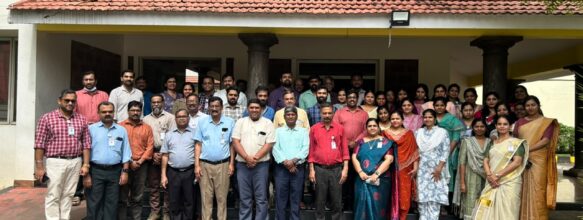

1. General Information
| Particular | Details |
| Name of the Programme | OBE & Accreditation GAPC 4.0 – Phase I |
| Type of Programme | Faculty Development Programme (FDP) |
| Date | 17–19 August 2026 |
| Venue | Ahalia School of Engineering & Technology, Palakkad |
| Resource Person 1 | Dr. G. Janardhanan, Professor, Department of Civil Engineering, NITTR, Chennai |
| Resource Person 2 | Dr. V. Shanmuganeethi, Professor, Department of CSE, NITTR, Chennai |
| Target Participants | Faculty Members of Ahalia School of Engineering & Technology |
| Phase | Phase I |
| Next Phase | Phase II – 16–18 November 2026 |
2. Background and Rationale
Outcome-Based Education (OBE) is an essential component of quality engineering education and forms the foundation for systematic assessment and continuous improvement under the NBA accreditation framework. Effective implementation of OBE requires faculty members to have a clear understanding of programme educational objectives, programme outcomes, course outcomes, performance indicators, assessment methodologies, attainment, curriculum relevance, and continuous improvement.
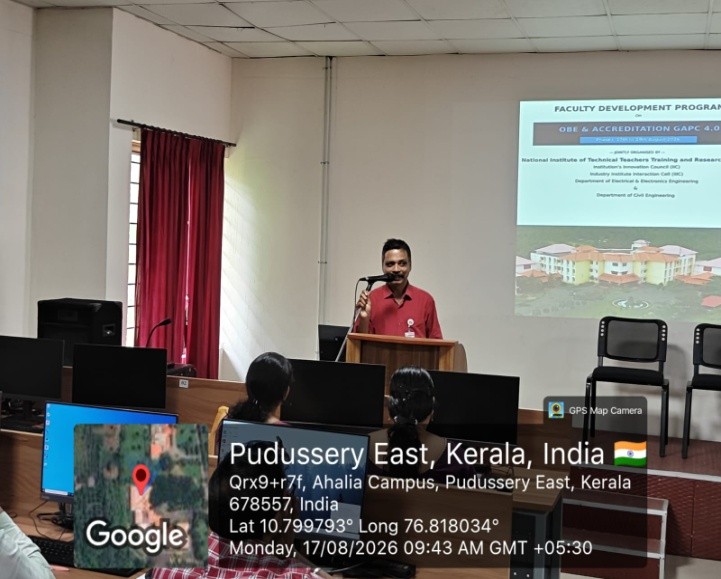
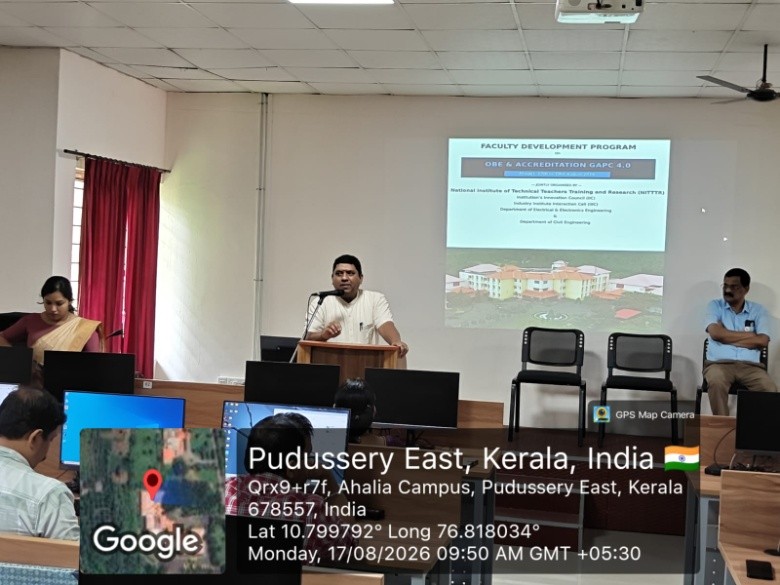
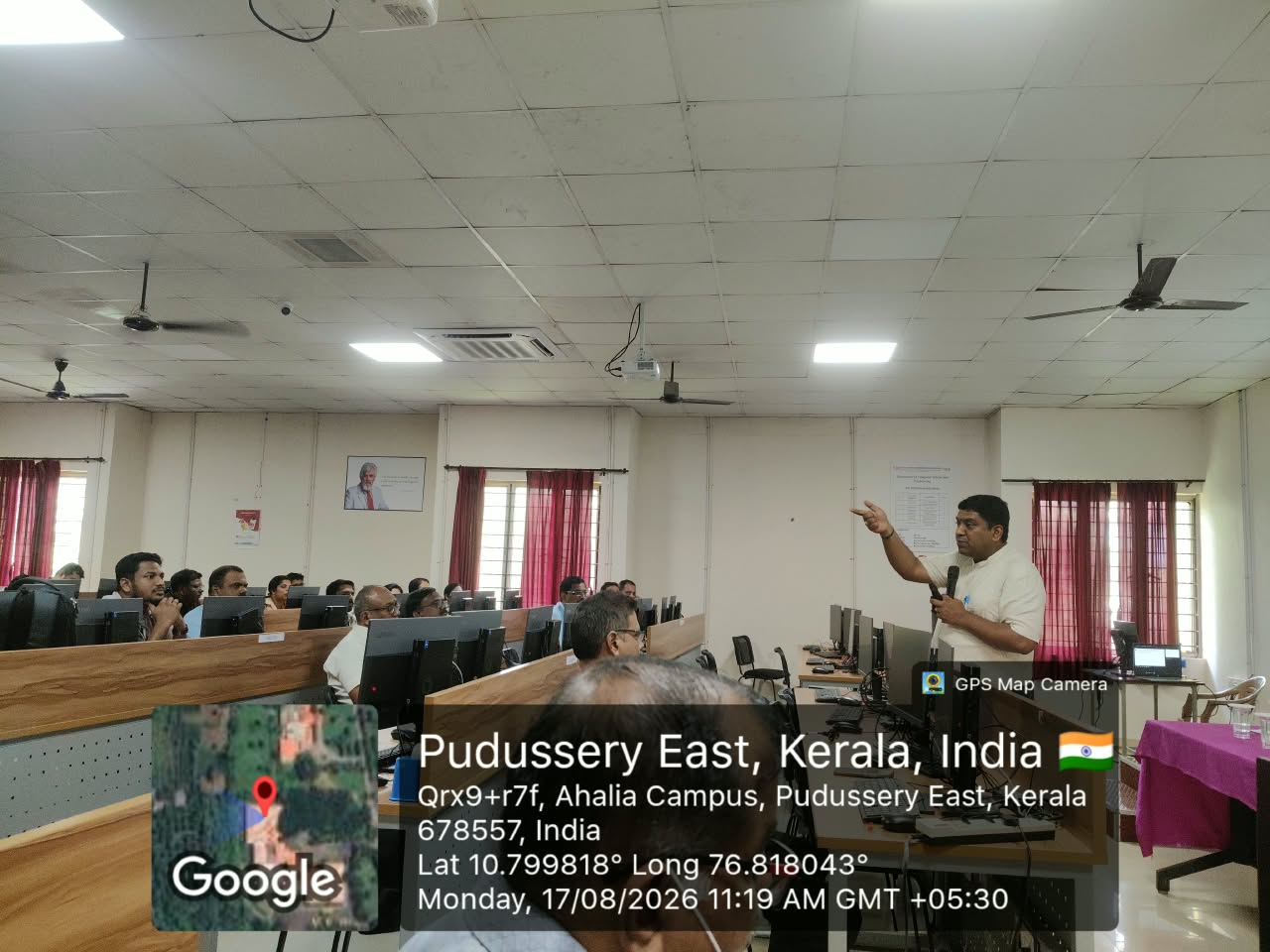
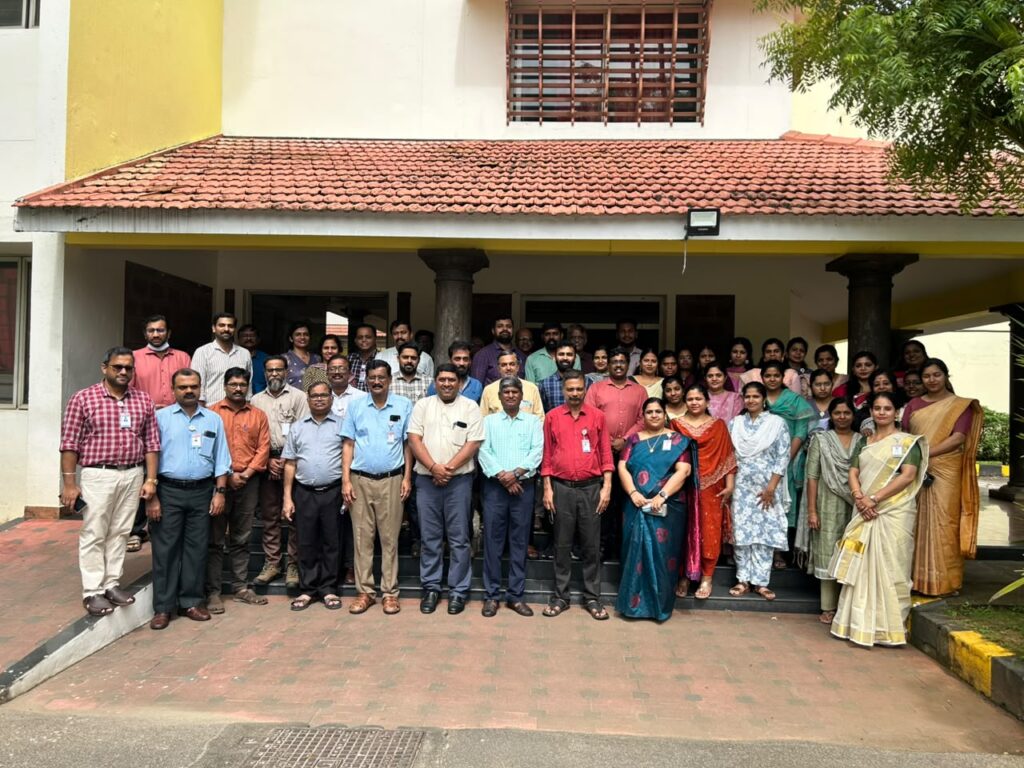
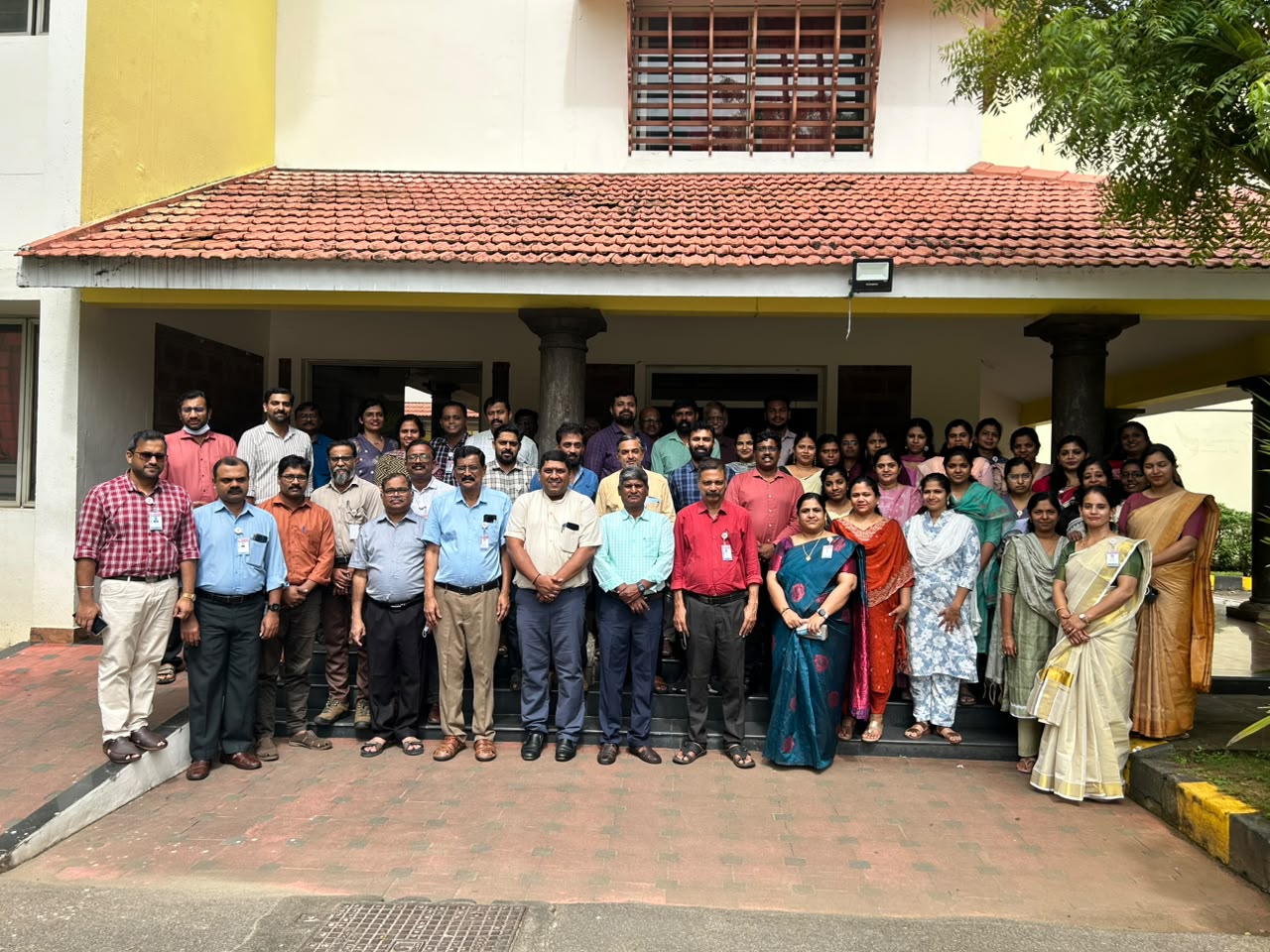
In this context, Ahalia School of Engineering & Technology conducted Phase I of the Faculty Development Programme “OBE & Accreditation GAPC 4.0” from 17 to 19 August 2026.
The programme was designed to strengthen faculty competency in understanding the requirements associated with OBE and the preparation of the NBA Self-Assessment Report (SAR). Phase I concentrated on developing a common conceptual and practical understanding of the major OBE and accreditation components before undertaking detailed criterion-wise preparation.
3. Objectives
The major objectives of Phase I were:
- To develop a systematic understanding of Outcome-Based Education and NBA accreditation requirements.
- To familiarize faculty members with the Washington Accord Knowledge Profile (WKs) and professional competencies.
- To understand the role of Performance Indicators (PIs) in outcome assessment.
- To establish clarity regarding the formulation and alignment of Vision, Mission and PEOs.
- To strengthen faculty competency in writing measurable Course Outcomes (COs).
- To understand the principles of CO–PO–PSO mapping and justification.
- To introduce Curriculum Gap Analysis as a mechanism for continuous improvement.
- To familiarize faculty members with digital tools for lesson planning and rubric development.
- To understand the characteristics of Complex Engineering Problems.
- To integrate Sustainable Development Goals (SDGs) into engineering education and academic practices.
- To create a foundation for the criterion-wise preparation of the NBA SAR in Phase II.
4. Programme Coverage
4.1 Professional Competencies
The programme commenced with discussions on professional competencies expected of engineering graduates. The resource persons explained the importance of developing technical competence along with communication, teamwork, ethical responsibility, problem-solving ability, professional judgement, and lifelong learning.
The session emphasized that professional competencies should be reflected not only in curriculum content but also through teaching-learning processes, assessment practices, projects, laboratory activities, and other student learning experiences.
NBA Relevance:
The discussion provided faculty members with a better understanding of the competencies expected from graduates and their relationship with programme outcomes and graduate attributes.
4.2 Washington Accord Knowledge Profile and Attitudes
The Washington Accord Knowledge Profile (WKs) was discussed with emphasis on the knowledge and skills expected from engineering graduates.
The resource persons explained the significance of ensuring that curriculum content provides adequate exposure to the required engineering knowledge areas. The role of professional attitudes and attributes in developing competent engineering graduates was also discussed.
Faculty members were encouraged to examine the relationship between curriculum components, graduate competencies, programme outcomes, and professional expectations.
Outcome:
Faculty members gained greater clarity regarding the relevance of WKs and professional attitudes in OBE-based curriculum design and accreditation.
4.3 Performance Indicators
The concept of Performance Indicators (PIs) was explained as an important mechanism for assessing the attainment of programme outcomes.
The sessions highlighted the relationship between:
PO → Performance Indicators → Assessment → Evidence → Attainment
The faculty members were guided on the importance of developing appropriate indicators that can be assessed through suitable direct and indirect assessment methods.
Outcome:
The session improved the understanding of how programme-level outcomes can be translated into measurable indicators and supported through appropriate assessment evidence.
4.4 Vision, Mission and Programme Educational Objectives
The resource persons discussed the significance of Vision, Mission and Programme Educational Objectives (PEOs) in establishing the direction and long-term objectives of an engineering programme.
The importance of maintaining proper alignment and traceability between institutional objectives and programme-level objectives was emphasized.
The following alignment was discussed:
Institutional Vision & Mission → Programme Vision & Mission → PEOs → POs/PSOs → COs
Faculty members were advised to ensure that academic activities and programme processes remain consistent with the stated objectives.
4.5 Course Outcome Writing
A detailed session was conducted on Course Outcome formulation.
The importance of writing COs that are:
- Student-centred
- Measurable
- Assessable
- Specific
- Relevant to the course content
- Appropriate to the expected cognitive level
was discussed.
The resource persons emphasized the appropriate use of action verbs and the need to establish a clear relationship between course content, COs, teaching-learning activities and assessment methods.
The session also highlighted that COs should provide a meaningful basis for measuring student learning and subsequent CO attainment.
Outcome:
Faculty members developed better clarity on preparing effective and assessable CO statements.
4.6 CO–PO–PSO Mapping
The methodology for mapping Course Outcomes with Programme Outcomes and Programme Specific Outcomes was discussed.
The resource persons emphasized that mapping should be based on the actual contribution of the course towards the respective PO/PSO rather than being assigned mechanically.
The importance of providing appropriate mapping justification was highlighted.
The relationship was discussed as:
COs → CO–PO/PSO Mapping → Assessment → CO Attainment → PO/PSO Attainment
Faculty members were encouraged to ensure consistency among CO statements, course content, assessment tools, mapping levels, and attainment calculations.
4.7 Curriculum Gap Analysis
The FDP covered Curriculum Gap Analysis as an important tool for identifying areas where the existing curriculum may require additional academic inputs.
The discussion included identifying gaps related to:
- Industry requirements
- Emerging technologies
- Professional competencies
- Higher-order skills
- Research and innovation
- Societal requirements
- Sustainability
- Employability and entrepreneurship
Possible interventions such as workshops, seminars, expert lectures, value-added courses, industrial visits, internships, projects, certifications, and other academic activities were discussed.
Outcome:
Faculty members gained awareness of how curriculum gaps can be systematically identified and addressed through continuous improvement initiatives.
4.8 Digital Tools for Lesson Planning and Rubrics
The resource persons introduced selected digital applications and tools for lesson planning and rubric preparation.
The sessions demonstrated the potential of technology to support:
- Lesson planning
- Course delivery planning
- Assessment design
- Rubric development
- Documentation
- Academic monitoring
The use of such tools can contribute towards standardization, efficiency, transparency, and better academic documentation.
4.9 Complex Engineering Problems
The concept of Complex Engineering Problems was discussed in relation to outcome-based engineering education.
Faculty members were guided to understand the characteristics that distinguish complex engineering problems from routine engineering problems.
The discussion emphasized the need to provide appropriate learning experiences through:
- Assignments
- Laboratory activities
- Design problems
- Mini projects
- Major projects
- Case studies
- Field-based problems
Such activities can provide evidence of students’ ability to analyse and solve complex engineering problems.
4.10 Sustainable Development Goals
The programme also introduced the relevance of the United Nations Sustainable Development Goals (SDGs) in engineering education.
The resource persons explained how engineering programmes can contribute to sustainability through curriculum, research, projects, innovation, community engagement, and industry interaction.
Faculty members were encouraged to identify opportunities for integrating relevant SDGs into courses, student projects, research activities, extension activities, and institutional initiatives.
5. Major Learning Outcomes of Phase I
At the end of Phase I, the participating faculty members demonstrated improved awareness and understanding of:
| Sl. No. | Area | Learning/Capacity Developed |
| 1 | Professional Competencies | Understanding of competencies expected from engineering graduates |
| 2 | Washington Accord | Awareness of WKs and professional attitudes |
| 3 | Performance Indicators | Understanding of measurable indicators for outcome assessment |
| 4 | Vision, Mission & PEOs | Improved understanding of alignment and consistency |
| 5 | CO Writing | Ability to formulate measurable and assessable COs |
| 6 | CO–PO–PSO Mapping | Understanding of mapping principles and justification |
| 7 | Curriculum Gap Analysis | Ability to identify academic and competency gaps |
| 8 | Lesson Planning & Rubrics | Awareness of digital tools for academic planning and assessment |
| 9 | Complex Problems | Understanding of complex engineering problem characteristics |
| 10 | SDGs | Awareness of sustainability integration in engineering education |
6. NBA/SAR Orientation
A significant outcome of Phase I was the improved understanding of the faculty members regarding the interconnected nature of the various components documented in the NBA Self-Assessment Report.
The sessions established the importance of maintaining evidence-based alignment among:
Vision & Mission → PEOs → POs/PSOs → COs → Curriculum → Teaching-Learning → Assessment → Attainment → Continuous Improvement
The FDP also emphasized that NBA accreditation is not limited to documentation but requires demonstrable implementation, assessment, evidence, analysis, and continuous improvement.
7. Faculty Capacity Building
The programme contributed to faculty capacity building in the following areas:
- OBE implementation
- NBA accreditation preparedness
- Outcome formulation
- Assessment planning
- CO–PO–PSO mapping
- Curriculum review
- Academic documentation
- Rubric development
- Performance assessment
- Complex problem identification
- Sustainability-oriented education
The programme also helped establish a common understanding among faculty members regarding the terminology, expectations, and implementation requirements associated with OBE and NBA accreditation.
8. Phase I – Status
Phase I of OBE & Accreditation GAPC 4.0 was successfully completed on 19 August 2026.
The first phase focused primarily on the conceptual foundation and practical understanding of OBE and accreditation-related requirements. The sessions provided clarity on several important components that form part of the NBA SAR and prepared faculty members for detailed accreditation-oriented activities.
9. Phase II – Proposed Coverage
The next phase of the FDP is scheduled from:
16 November 2026 to 18 November 2026
Phase II will focus on criterion-wise coverage of NBA accreditation requirements. The conceptual understanding developed during Phase I will be utilized for detailed examination of the respective NBA criteria, documentary requirements, supporting evidence, assessment processes, attainment, analysis, and continuous improvement practices.
Thus, Phase I and Phase II are designed as complementary components:
Phase I:
Conceptual and foundational understanding of OBE & NBA requirements
Phase II:
Criterion-wise application, documentation and SAR preparation
10. Conclusion
Phase I of “OBE & Accreditation GAPC 4.0” was successfully conducted at Ahalia School of Engineering & Technology from 17 to 19 August 2026.
The programme provided faculty members with substantial exposure to key concepts related to Outcome-Based Education, Washington Accord requirements, professional competencies, Performance Indicators, Vision and Mission, PEOs, CO formulation, CO–PO–PSO mapping, Curriculum Gap Analysis, Complex Engineering Problems, SDGs, and technology-enabled academic planning and assessment.
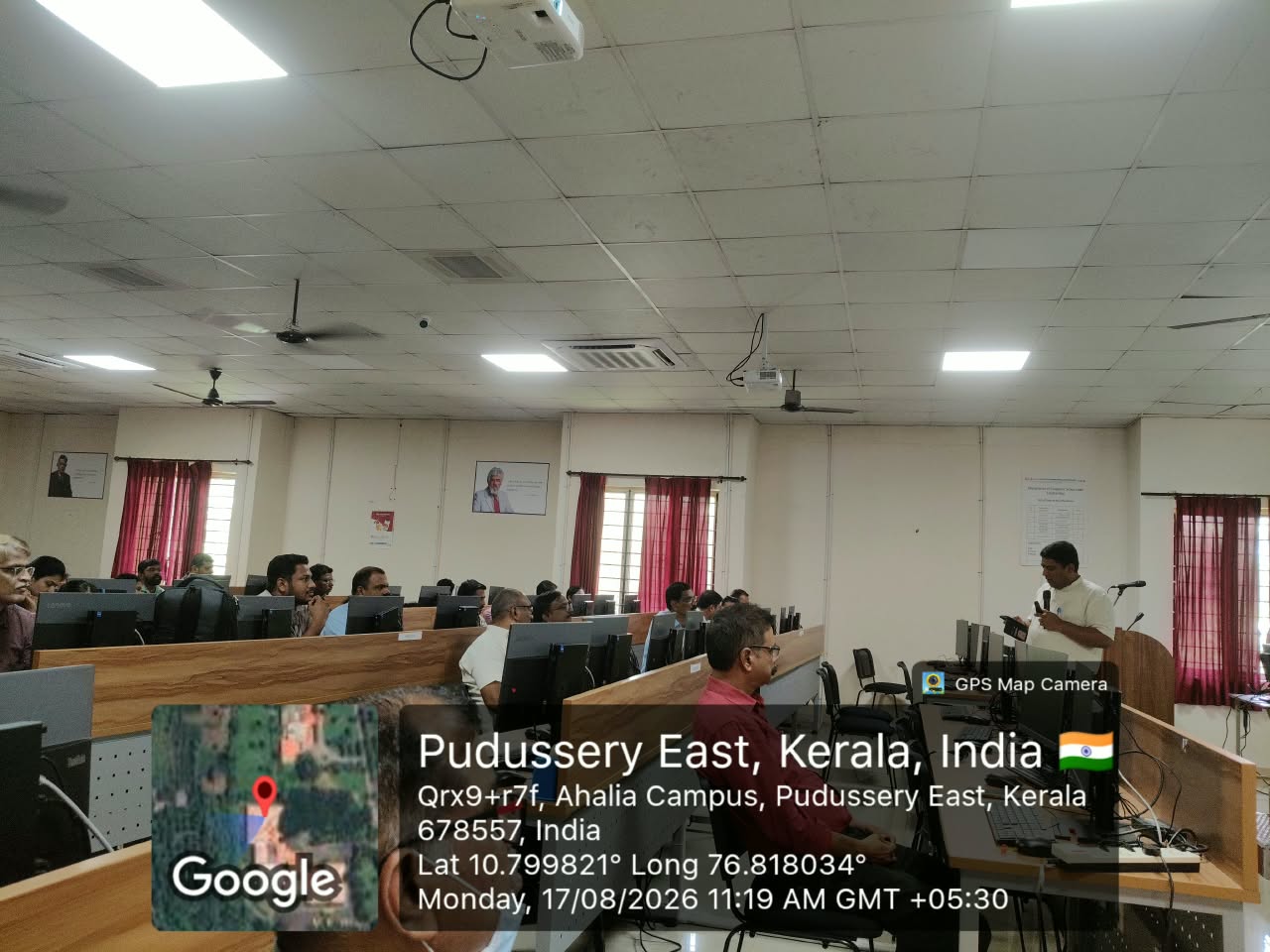
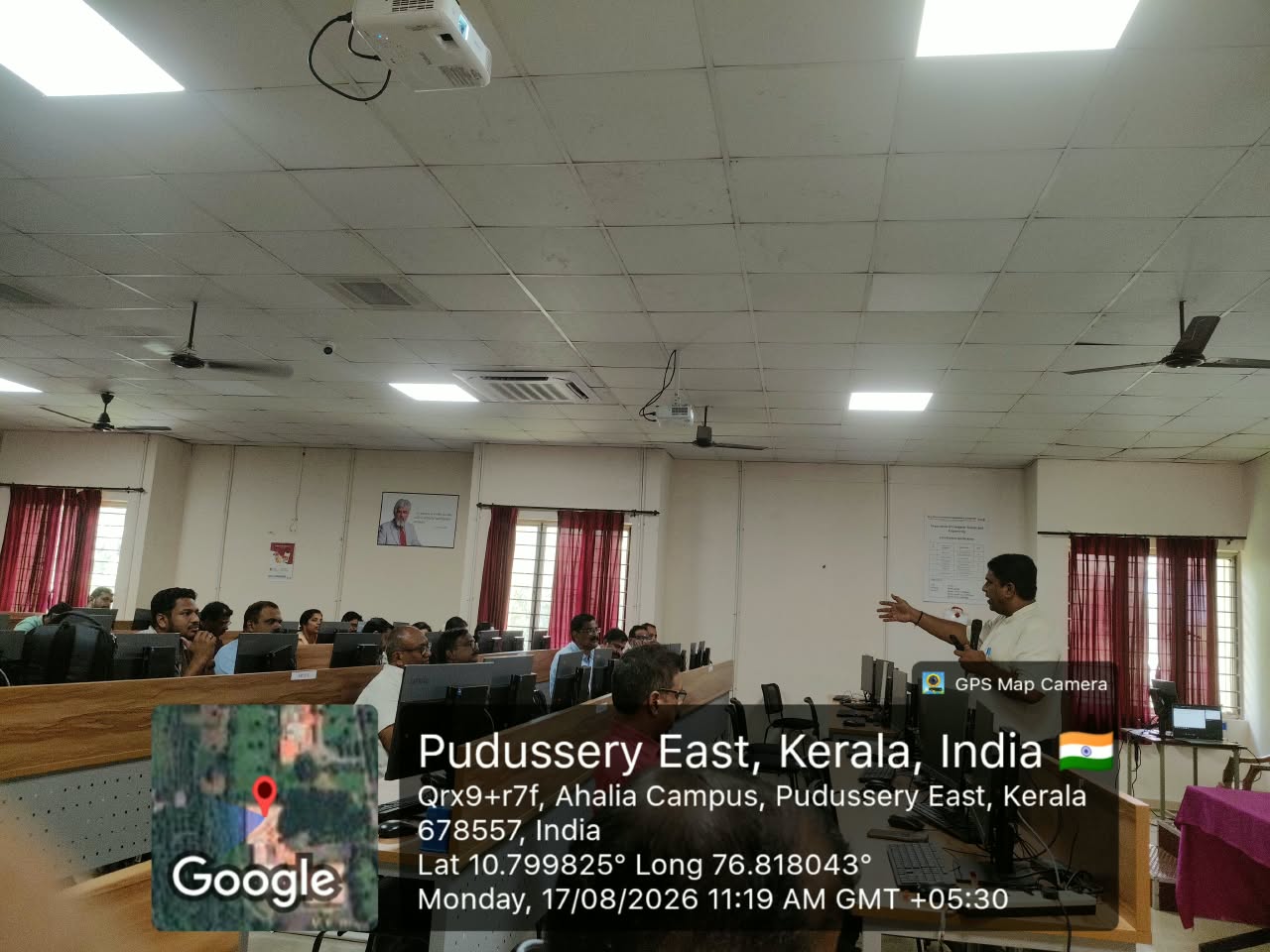
The sessions conducted by Dr. G. Janardhanan, Professor, Department of Civil Engineering, NITTR Chennai, and Dr. V. Shanmuganeethi, Professor, Department of CSE, NITTR Chennai, were informative and provided practical clarity on the implementation aspects of OBE and NBA accreditation.
The successful completion of Phase I has established a strong foundation for the next stage of accreditation preparation. Phase II, scheduled for 16–18 November 2026, will take forward the learning from Phase I through detailed criterion-wise coverage of the NBA framework and SAR requirements.
The FDP is therefore expected to contribute significantly towards strengthening OBE implementation, academic quality assurance, evidence-based assessment, continuous improvement, and NBA accreditation preparedness at Ahalia School of Engineering & Technology.