
A. General Information
| Item | Details |
| Academic Year | 2026–2027 |
| Semester | ODD |
| Activity Code | ECE/2026-27/ |
| Activity Title | Environmental Visit – Environmental Ethics in Sustainable Design Model |
| Activity Type | Field Visit |
| Students Invited | S3 ECE (48) |
| Total Number of Students Participated | 48 |
| Faculty Participated | 2 |
| Number of External Participants | Nil |
| Date | 22/09/2026 |
| Time | 10:00 AM – 3:00 PM |
| Venue | Kava and Aanakal / Malampuzha region |
| Organized by | Department of Electronics and Communication Engineering |
| Coordinator(s) | Vinodkumar P. |
| Student Coordinator(s) | Gowri Krishnakumar, Irfan Sha |
| Resource Organization | Kerala Tourism Department |
B. Objectives of the Activity
• To provide students with practical exposure to environmental issues and sustainable development in a real-world setting.
• To connect classroom concepts from Engineering Ethics and Sustainable Development with actual environmental conditions.
• To develop awareness of resource depletion, pollution, waste management and eco-friendly practices.
• To understand the importance of conservation and the role of individuals and communities in protecting natural resources.
• To encourage responsible engineering behaviour and sustainable thinking in future professional practice.
C. Activity Description
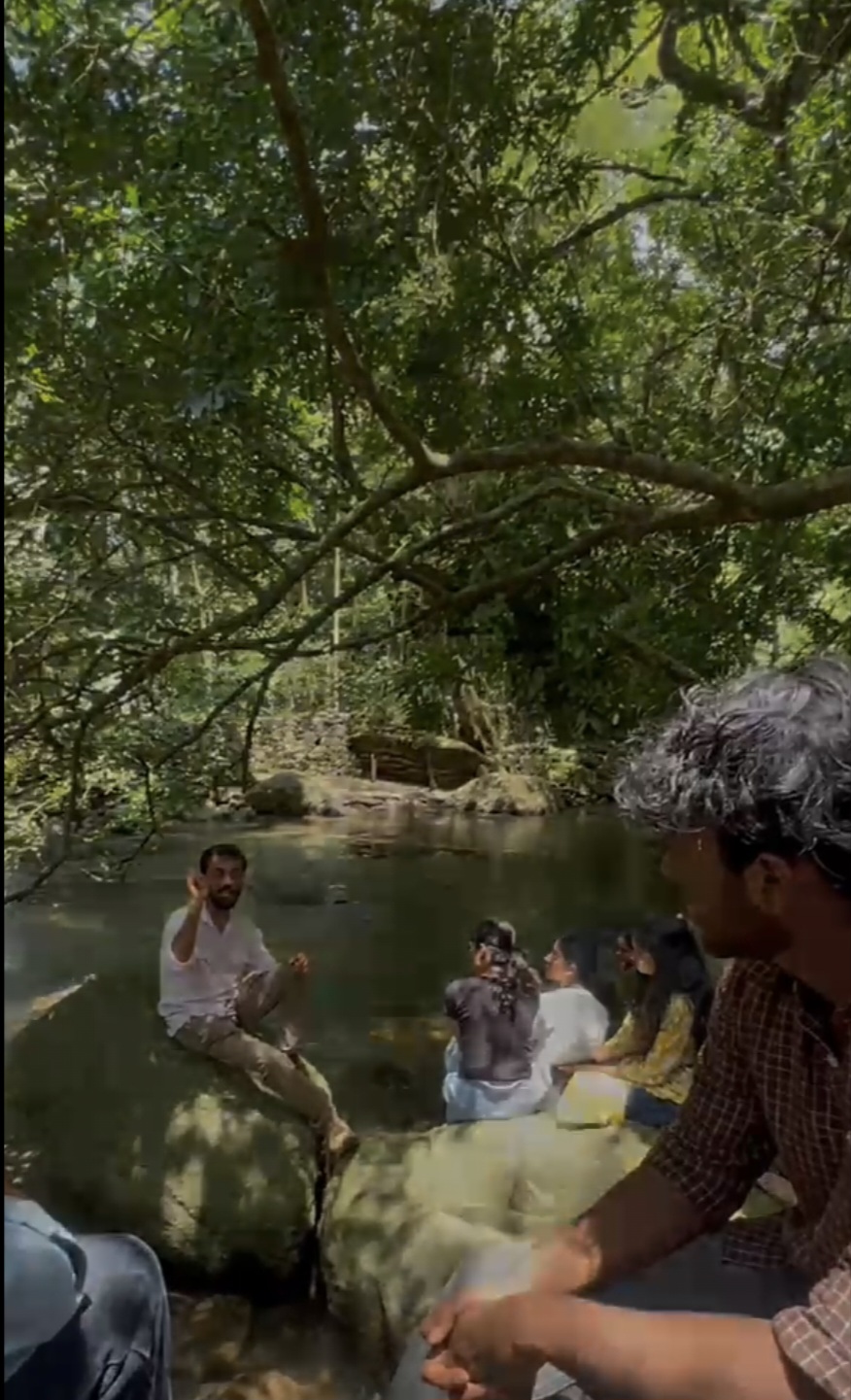
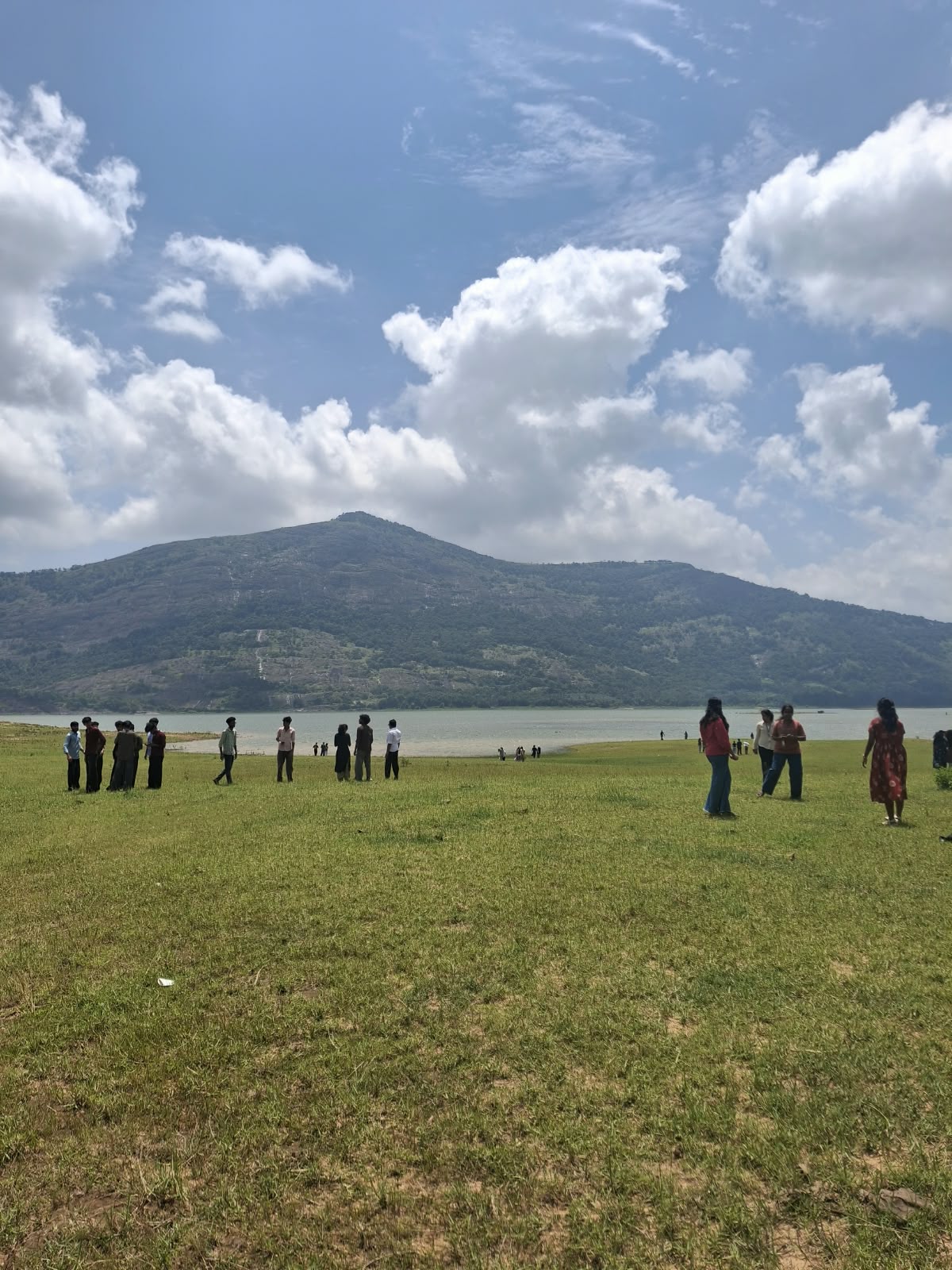
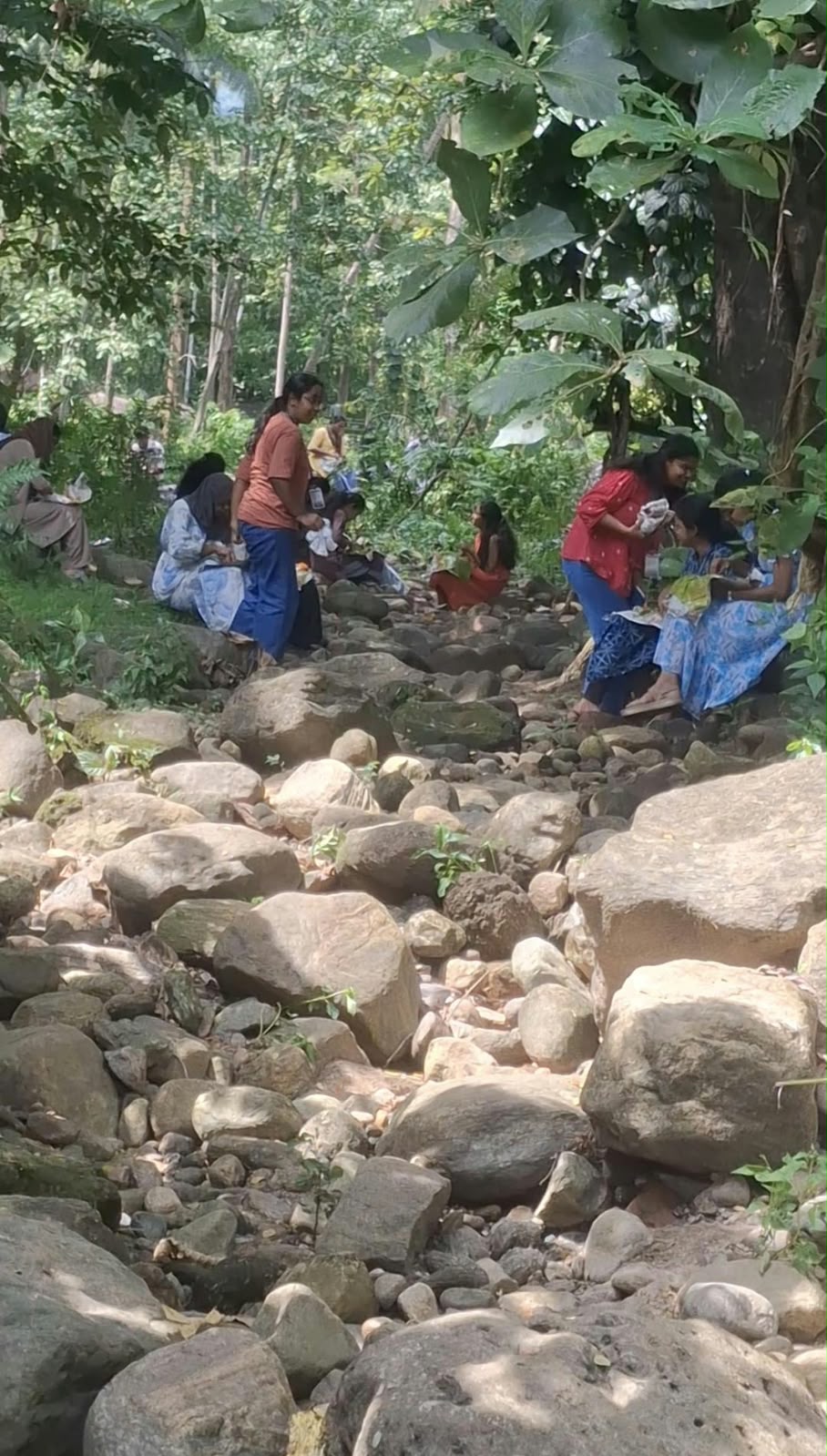
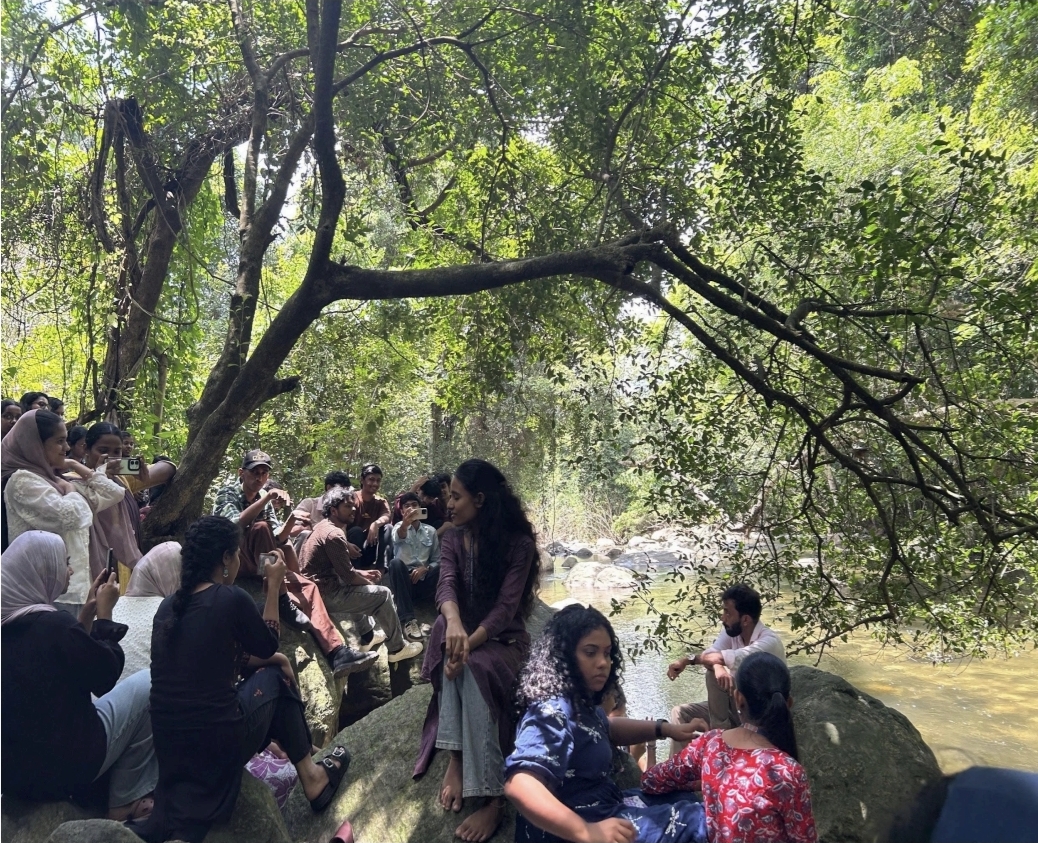
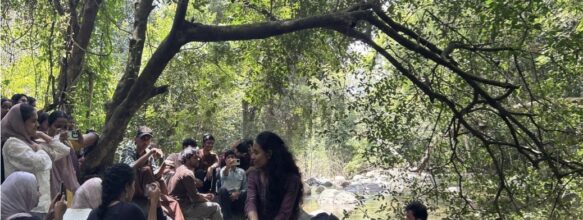
As part of the course UCHUT347 – Engineering Ethics and Sustainable Development, students participated in an environmental field visit to Kava and Aanakal on 22 September 2026. The visit focused on observing local environmental conditions and relating them to the principles of environmental ethics and sustainable development. At Kava, the faculty interaction covered resource depletion, pollution, waste management, conservation, eco-friendly practices and the responsibility of individuals and communities. The students then proceeded to Aanakal, where they observed the natural ecosystem and reflected on the interconnection of vegetation, water resources and human activities. The visit concluded with a return to the college at approximately 3:00 PM.
D. Learning Outcomes Achieved
• Students gained practical understanding of environmental issues beyond the classroom.
• Students recognized the importance of conserving natural resources and reducing pollution.
• Students understood the interdependence of ecosystems, vegetation, water resources and human activities.
• Students developed awareness of responsible waste management and eco-friendly practices.
• Students related engineering ethics and sustainable development to responsible professional behaviour.
E. NBA Program Outcome Mapping (if applicable)
The activity primarily contributed to the following Program Outcomes (POs):
| PO | Contribution / Rationale |
| PO6 – Engineer and Society | Understanding the impact of engineering activities on society and environmental well-being. |
| PO7 – Environment and Sustainability | Understanding the environmental impact of professional engineering solutions and the need for sustainable practices. |
| PO8 – Ethics | Developing awareness of ethical responsibility, conservation and responsible professional conduct. |
F. Feedback Analysis
| Parameter | Average Rating (/5) |
| The objectives of the visit were clearly explained. | 4.8 |
| The resource persons communicated the technical concepts clearly and effectively. | 4.8 |
| The session provided useful practical and environmental insights. | 4.9 |
| The programme helped in understanding the relevance of Engineering Ethics and Sustainable Management in ECE. | 4.7 |
| Overall satisfaction | 4.8 |
G. Feedback Summary
Student feedback was consolidated after collection of the feedback forms. The summary reports the average rating for clarity of objectives, effectiveness of interaction, practical/environmental learning, relevance to Engineering Ethics and Sustainable Management, and overall satisfaction.
H. Impact Analysis
The field visit provided experiential learning on environmental ethics and sustainable development. It helped students relate academic concepts to real environmental conditions and strengthened awareness of conservation, responsible resource use, pollution reduction, waste management and eco-friendly practices. The activity also encouraged students to consider environmental responsibility as an integral part of ethical engineering practice.