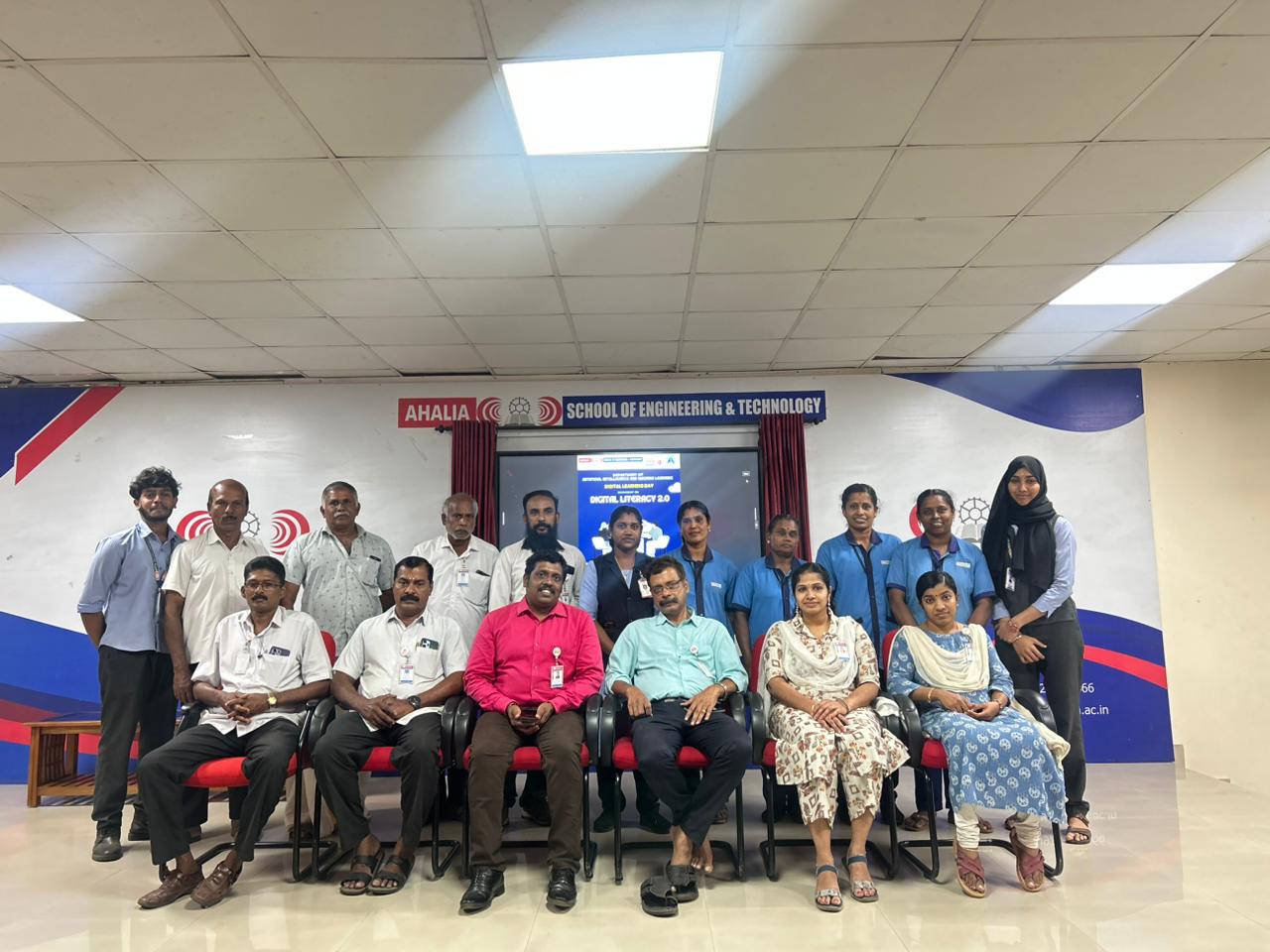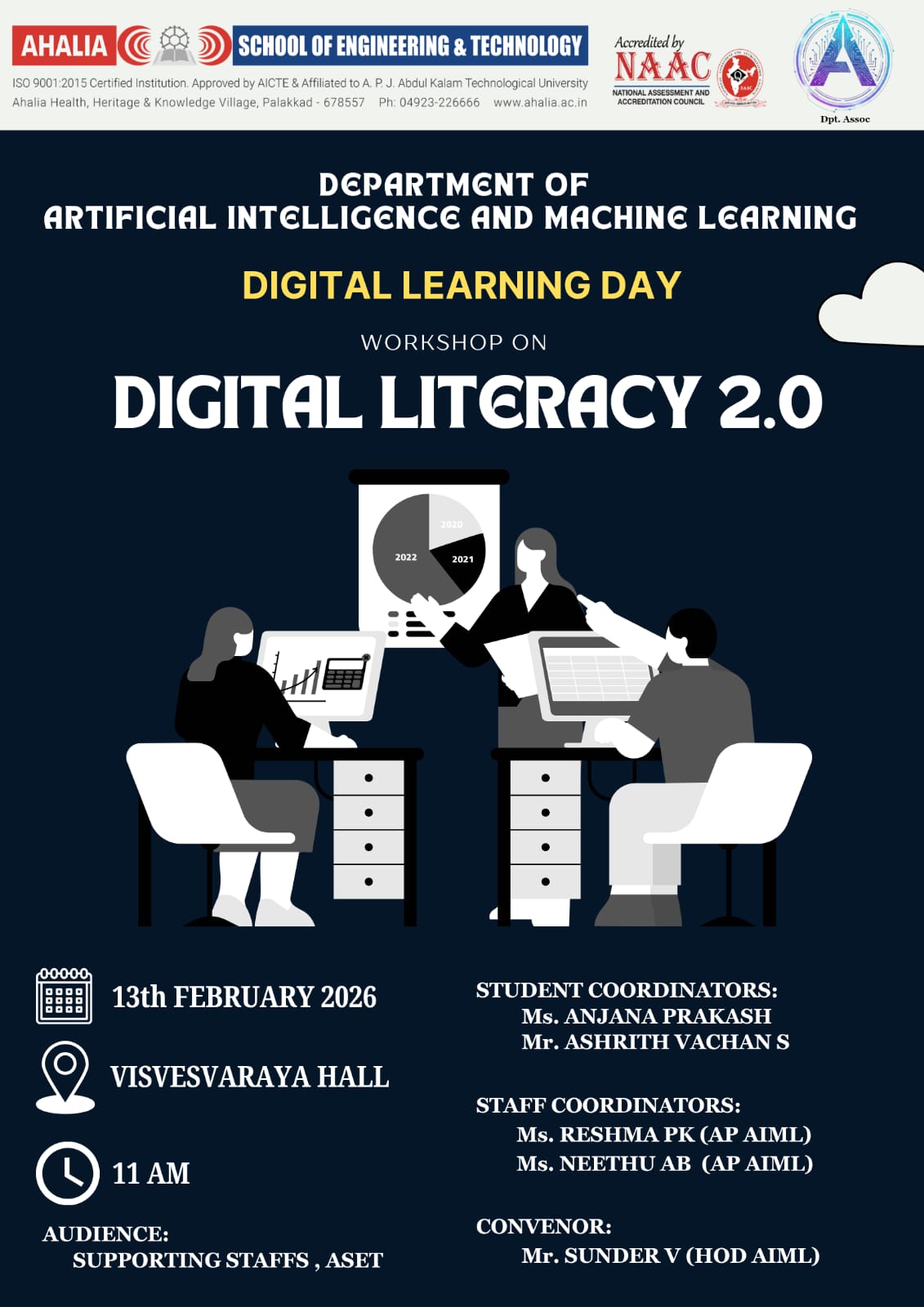


The Digital Literacy 2.0 Workshop was conducted on 13th February 2026, in observance of Digital Learning Day, at Ahalia School of Engineering and Technology. The workshop was organized by the students of the S4 Artificial Intelligence and Machine Learning (AIML) Department for the supporting staff and bus drivers of the institution, with the aim of enhancing their digital knowledge and awareness of modern AI tools.
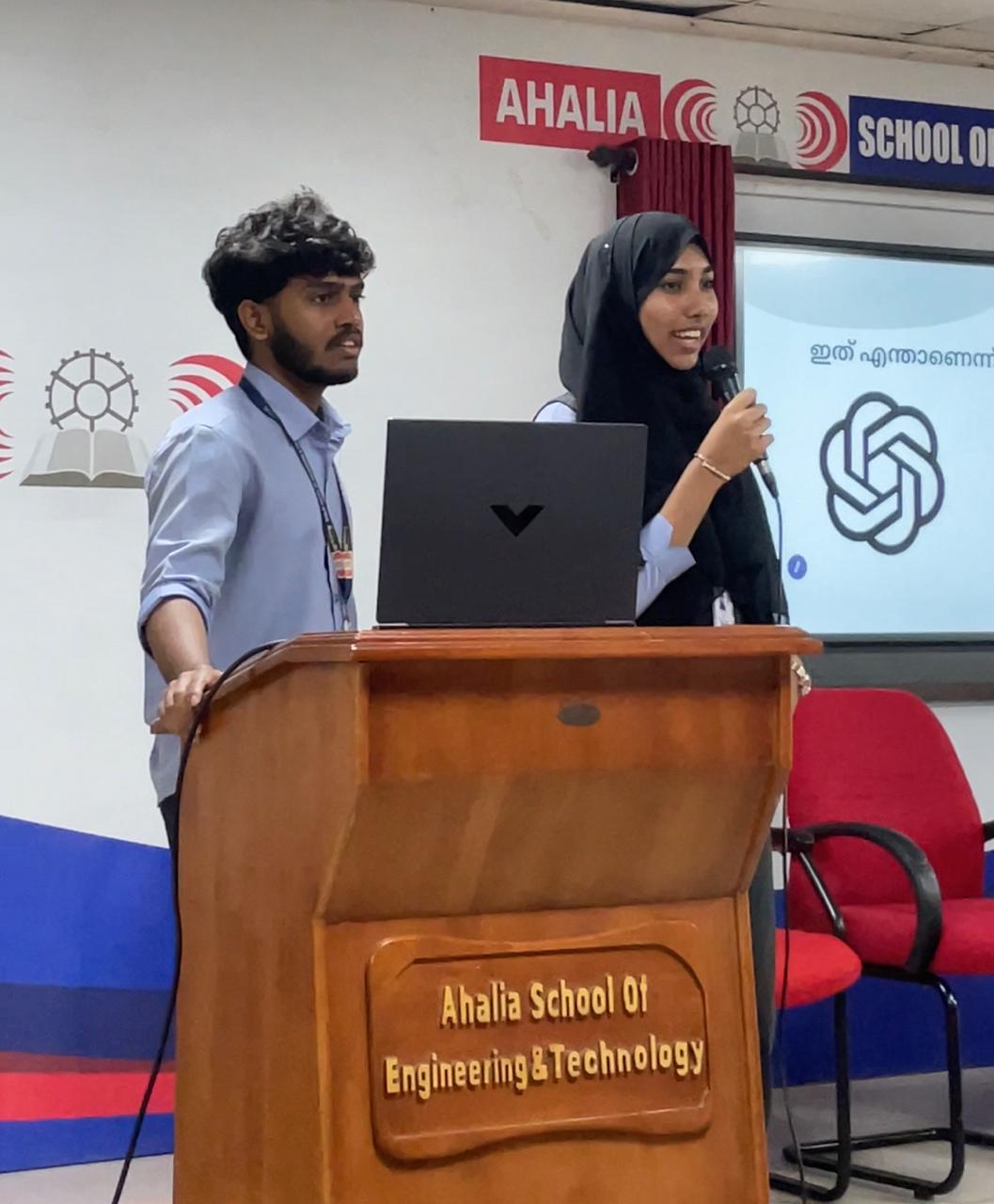
The event was coordinated by faculty members Reshma P K and Neethu AB, with Sunder V serving as the Convenor. The student coordinators for the workshop were Anjana Prakash and Ashrith Vachan S. The session was handled by S4 AIML students Rabbin Ranjith T and Irfana Izzath I, who guided the participants through various digital tools and applications.
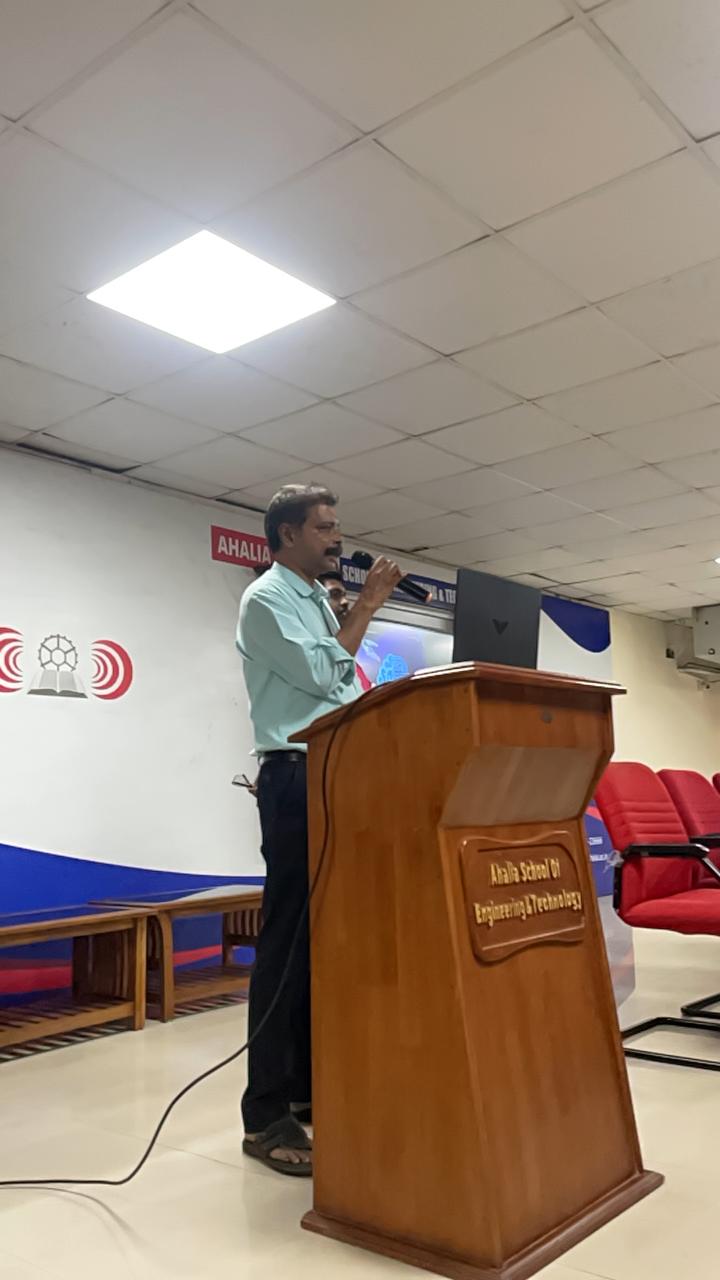
The workshop was formally inaugurated by Sunder V, Convenor of the program, who emphasized the importance of digital empowerment and the need to adapt to modern technological advancements. Reshma P K, faculty coordinator, addressed the participants and spoke about the significance of digital literacy in today’s world and how artificial intelligence tools can simplify daily tasks and improve efficiency.
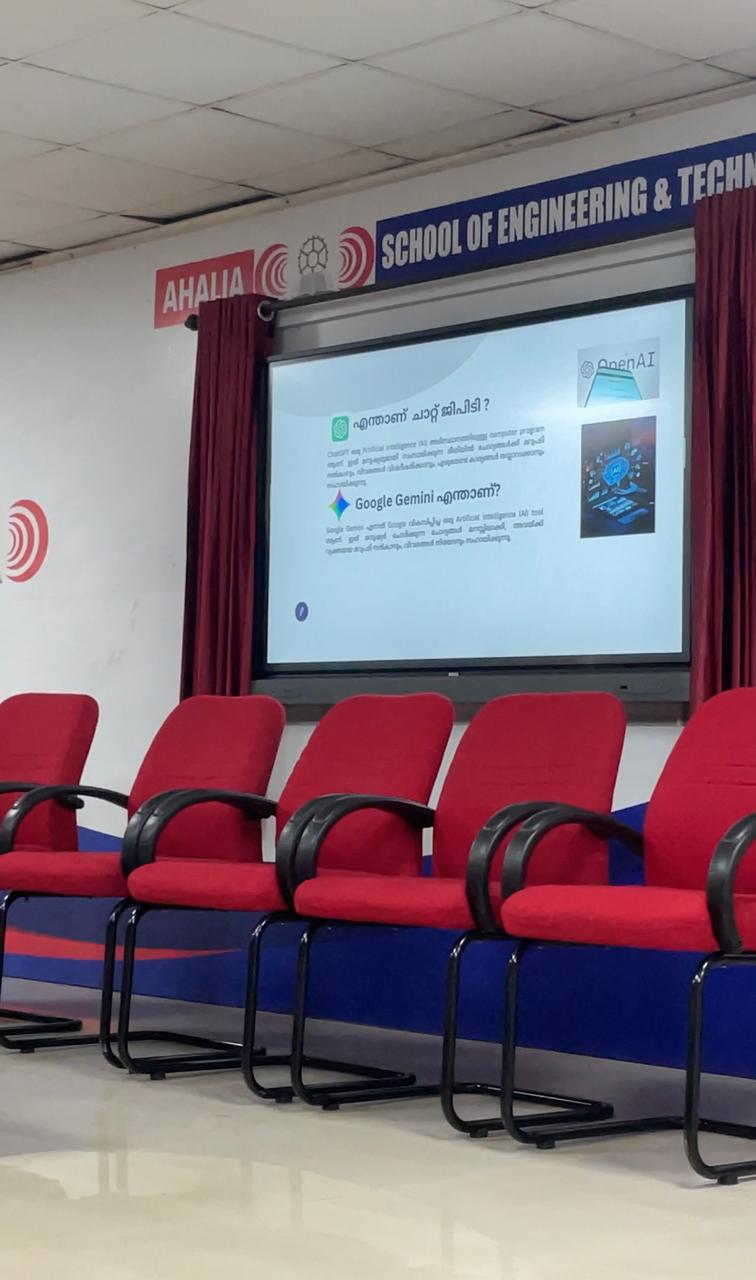
The main objective of the workshop was to introduce supporting staff to advanced digital technologies and help them effectively utilize AI-powered tools in their everyday activities. The session focused on artificial intelligence platforms such as ChatGPT and Gemini, explaining their uses, advantages, and practical applications.
The workshop began with an introduction to digital literacy and the importance of adapting to emerging technologies in the modern digital era. The student presenters provided a detailed demonstration of AI tools, showcasing how these platforms can assist in drafting messages, searching for information, translation, preparing letters, and improving productivity. Participants were also given hands-on training on interacting with AI tools using simple prompts. Special emphasis was placed on responsible AI usage, data privacy, and verifying information obtained from AI platforms.
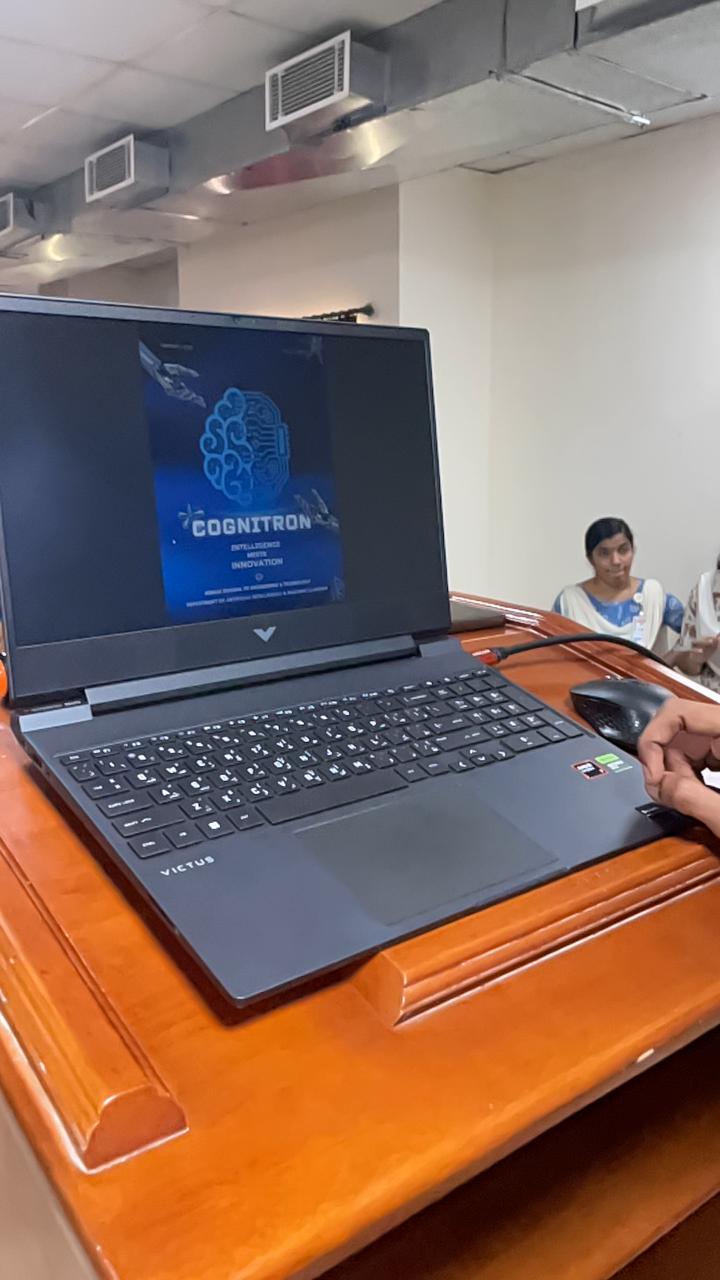
A significant highlight of the event was the official release of the AIML department newsletter, COGNITRON, which showcased the department’s academic activities, student achievements, and technical contributions in Artificial Intelligence and Machine Learning. The newsletter release reflected the dedication, innovation, and creativity of the AIML students.
The workshop witnessed active participation and enthusiasm from the supporting staff, who expressed keen interest in learning and applying AI-based digital tools in their daily activities. The event concluded successfully with positive feedback from the participants, making the Digital Literacy 2.0 Workshop a meaningful initiative toward promoting digital empowerment and technological awareness within the institution.